
Spinal Injury Home Care: Specialist Nurse-Led Support for Independent Living | Revive Rise
Discover how specialist spinal injury home care helps individuals live safely and independently at home. Learn about spinal cord injury support, rehabilitation, live-in care, and nurse-led complex care from Revive Rise.
Spinal Injury Home Care
Complex Care & Neurological Care
Living with a spinal cord injury can bring significant physical, emotional, and practical challenges. However, with the right support, many individuals can enjoy independence, dignity, and an excellent quality of life within their own homes. Specialist spinal injury home care provides personalised assistance that enables people to achieve their goals while receiving expert support for their complex needs.
At Revive Rise, our nurse-led team delivers compassionate, person-centred care designed to support individuals living with spinal injuries, helping them remain safe, comfortable, and independent in familiar surroundings.
What Is Spinal Injury Home Care?
Spinal injury home care is a specialist service designed for individuals living with a spinal cord injury (SCI), paralysis, paraplegia, tetraplegia, or other neurological conditions affecting mobility and daily living.
The aim of spinal injury care is not simply to provide support but to empower individuals to maintain as much independence as possible while managing their healthcare needs safely.
This can include:
- Personal care assistance
- Medication support
- Mobility assistance
- Catheter care
- Continence management
- Bowel management support
- Pressure sore prevention
- Respiratory support
- Rehabilitation support
- Live-in care
- 24-hour spinal injury care
Every spinal injury is unique, which is why personalised care plans are essential for delivering safe and effective support.
Understanding the Impact of a Spinal Cord Injury
A spinal cord injury can occur due to:
- Road traffic accidents
- Falls
- Sports injuries
- Workplace accidents
- Medical conditions affecting the spine
Levels of Injury and Their Effects
The effects of a spinal cord injury depend on where the damage occurs.
Paraplegia
Paraplegia affects mobility and sensation in the lower body and legs.
Tetraplegia (Quadriplegia)
Tetraplegia, also referred to as quadriplegia, affects both the upper and lower limbs and may require a higher level of daily support.
Many individuals may also experience:
- Reduced mobility
- Loss of sensation
- Bladder and bowel dysfunction
- Muscle weakness
- Respiratory complications
- Increased risk of pressure ulcers
- Mental health and emotional challenges
Professional spinal cord injury care at home can help manage these challenges while promoting independence and wellbeing.
Benefits of Receiving Spinal Injury Care at Home
For many individuals, returning home after hospital discharge is an important milestone in recovery.
Familiar Environment
Home offers comfort, security, and emotional wellbeing. Remaining in familiar surroundings often contributes positively to rehabilitation and overall quality of life.
Greater Independence
Specialist carers focus on enabling independence rather than taking over tasks unnecessarily. This supports confidence and self-management wherever possible.
Personalised Care
Unlike institutional settings, home care for spinal injury patients provides one-to-one support tailored to individual goals, needs, and preferences.
Family Involvement
Home-based care enables families to remain closely involved while also receiving practical support and reassurance from trained professionals.
Key Components of Specialist Spinal Injury Care
Mobility Support
Mobility challenges can significantly affect everyday activities.
Specialist carers assist with:
- Safe transfers
- Hoist use
- Wheelchair support
- Positioning
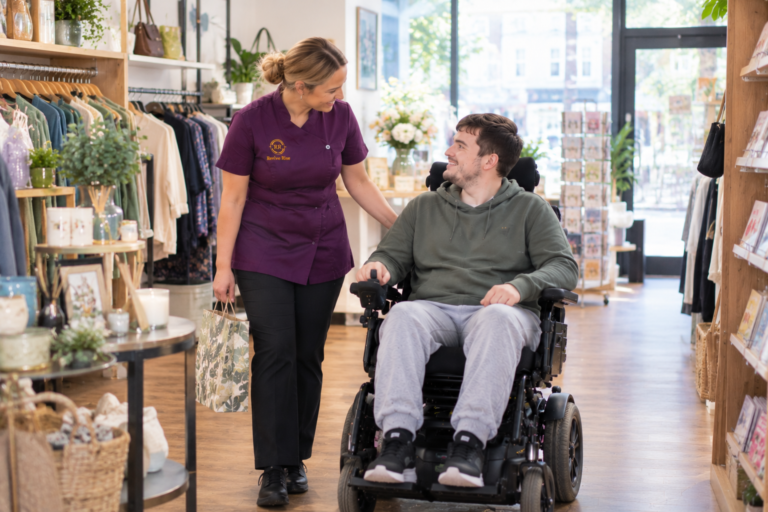
- Accessing community activities
Continence and Catheter Care
Many spinal cord injury patients require specialist continence support.
Professional carers can assist with:
- Catheter care
- Bladder management
- Infection monitoring
- Personal hygiene support
Pressure Ulcer Prevention
Reduced mobility increases the risk of pressure sores.
Effective prevention includes:
- Regular repositioning
- Skin monitoring
- Specialist equipment use
- Pressure-relief techniques
Respiratory Support
Individuals with higher-level spinal injuries may require:
- Airway management support
- Tracheostomy care
- Ventilator support
- Respiratory monitoring
Rehabilitation Support
Ongoing rehabilitation is often essential for maintaining function and improving quality of life.
Support may include:
- Physiotherapy exercises
- Occupational therapy programmes
- Daily living skills development
- Community participation
Why Choose Nurse-Led Spinal Injury Care?
Choosing a provider with clinical expertise can make a significant difference, particularly when managing complex healthcare needs.
At Revive Rise, our nurse-led spinal injury care model provides:
- Clinical oversight from experienced nurses
- Comprehensive care planning
- Risk assessments
- Regular care reviews
- Coordination with healthcare professionals
- Support for complex neurological conditions
This approach helps ensure that care remains safe, responsive, and tailored to changing needs.
Supporting Independent Living After a Spinal Injury
The goal of specialist spinal injury support extends beyond meeting healthcare needs.
Individuals often wish to:
- Return to work
- Continue education
- Participate in hobbies
- Socialise with family and friends
- Travel within their community
- Maintain control over daily routines
With the right support, many people with spinal injuries achieve remarkable levels of independence and fulfilment.
How Revive Rise Supports Individuals with Spinal Injuries
Our specialist spinal injury care service is designed around each person’s unique needs and aspirations.
We provide:
- Complex spinal injury care
- Live-in spinal injury care
- 24-hour spinal injury care
- Specialist spinal injury carers
- Neurological care services
- Rehabilitation support
- Respiratory support
- Personal care and daily living assistance
- Community access support
Learn more about our specialist Spinal Injury Care Service: Spinal Injury Care at Revive Rise
Internal Links
Include links to:
External Resources
For additional support and information:
Conclusion
Living with a spinal cord injury presents unique challenges, but the right support can make a life-changing difference. High-quality spinal injury home care allows individuals to remain in the comfort of their own homes while receiving specialist support tailored to their healthcare needs, rehabilitation goals, and lifestyle preferences.
From mobility assistance and pressure sore prevention to catheter care, rehabilitation support, and complex nursing needs, specialist care helps individuals maintain independence, dignity, and quality of life. Choosing a nurse-led provider ensures the highest standards of clinical oversight and personalised care.
Need Specialist Spinal Injury Home Care?
Speak to Revive Rise Today
If you or a loved one require specialist spinal cord injury care at home, our experienced nurse-led team is here to help.
Contact Revive Rise today for a free consultation and discover how our personalised spinal injury support can help you live independently and confidently at home.
Frequently Asked Questions
1. What is spinal injury home care?
Spinal injury home care is specialist support provided to individuals living with spinal cord injuries, helping them manage daily activities, healthcare needs, rehabilitation, and independent living at home.
2. Can people with spinal cord injuries live independently?
Yes. With the right equipment, rehabilitation support, and specialist spinal injury carers, many individuals with spinal cord injuries can live independently and enjoy an excellent quality of life.
3. What support does a spinal injury carer provide?
A spinal injury carer may assist with personal care, mobility support, catheter care, bowel management, medication support, rehabilitation exercises, and community access.
4. What is the difference between paraplegia and tetraplegia?
Paraplegia affects the lower body and legs, while tetraplegia (quadriplegia) affects both the arms and legs due to a higher-level spinal cord injury.
5. Why choose nurse-led spinal injury care?
Nurse-led care provides clinical oversight, specialist expertise, risk management, and personalised support for individuals with complex spinal injury needs, helping ensure safe and effective ongoing care.