01 / 06
Complex personal care
Support with washing, dressing, continence, comfort and daily activities while protecting choice, privacy and dignity.


When harm associated with medical treatment leaves a person needing ongoing care, families and professional teams may face difficult long-term decisions. Revive Rise discusses safe, personalised home-care arrangements based on the person's actual needs—not the status of a legal claim.

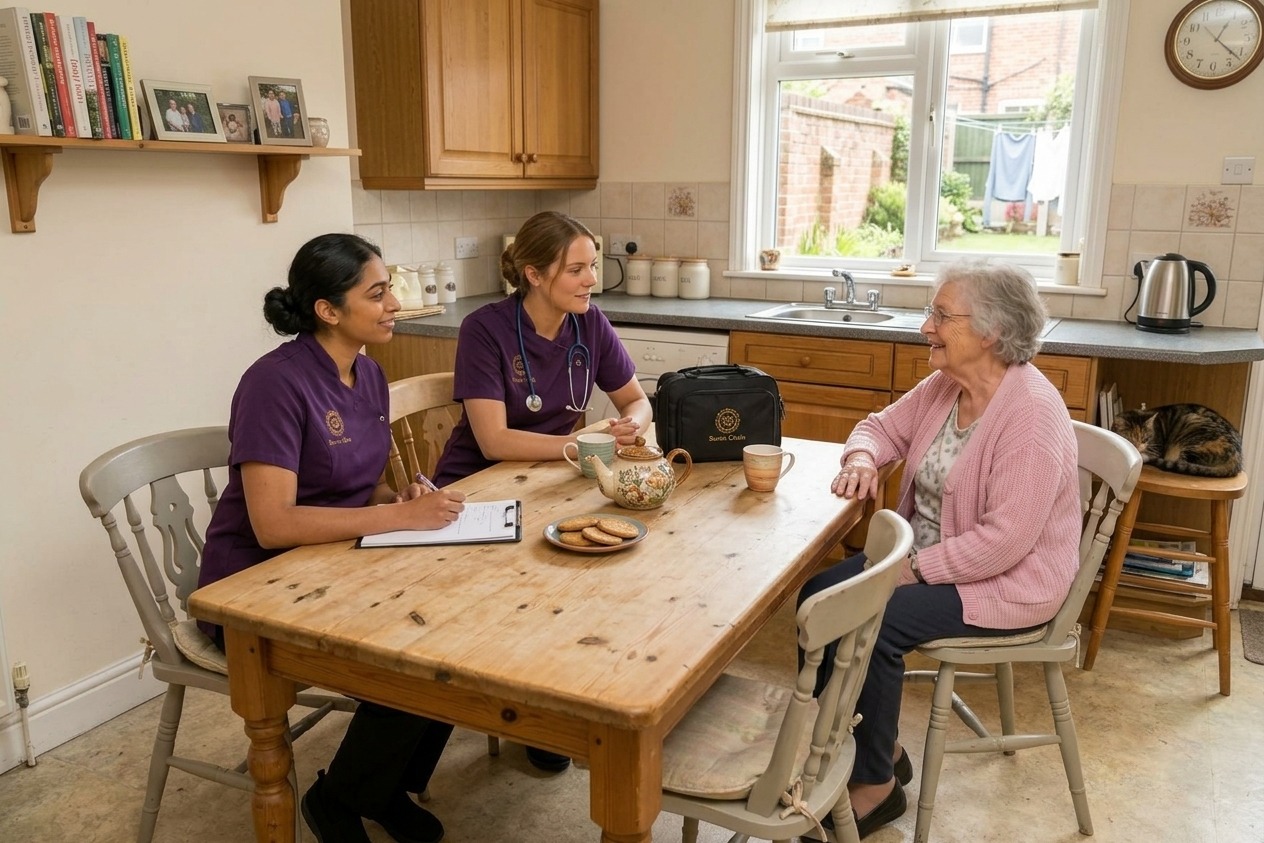
The phrase ‘clinical negligence’ describes a legal context, but the care needs that follow a medical injury are deeply individual. A person may be living with mobility difficulties, neurological impairment, complex personal-care needs or a combination of ongoing health problems.
For independent guidance, see NICE: Rehabilitation after traumatic injury and NHS: Continuing healthcare. Home care does not replace urgent assessment or specialist treatment.
Revive Rise focuses on the practical question: what support would help this person live as safely and independently as possible at home? We discuss care requirements with the individual and, where consent allows, their family, clinicians, commissioners or appointed case manager.
Revive Rise does not determine whether negligence occurred, assess legal liability, give legal advice or promise any litigation outcome. A solicitor or other qualified legal professional is responsible for legal questions. Care is assessed on need, risk, staffing and clinical suitability.
Where a person has ongoing health or personal care needs after an adverse medical event, support may involve practical assistance, clinical routines and coordination with their wider team.
Support with washing, dressing, continence, comfort and daily activities while protecting choice, privacy and dignity.
Individualised assistance for people living with mobility limitations, cognitive changes or functional impairment.
Where assessed and commissioned, trained professionals may support appropriate catheter, enteral or other specialist care tasks.
Practical support with meals, routines, communication preferences and meaningful activities in familiar surroundings.
Planned help or respite arrangements may ease caring responsibilities and provide continuity.
With consent, we can share relevant care information, contribute to reviews and work within a coordinated package.
The practical effects of a medical injury can be long-lasting and different for everyone. One person may need help with mobility and personal care; another may require support around more complex clinical needs.
Revive Rise assesses the care required and works within professional responsibilities. We do not decide whether negligence occurred, provide legal advice or influence legal liability or settlement decisions.
Families, commissioners and case managers can discuss assessed care needs and practical arrangements without needing to share sensitive legal case details in an initial enquiry.
Explain current needs without sharing unnecessary case details.
We review health needs, risks, preferences and care-setting suitability.
Where authorised, we liaise with the multidisciplinary team or case manager.
We review changing needs, safety and how the arrangement is working.
Revive Rise welcomes enquiries about long-term home care arrangements in Staffordshire and the West Midlands. Every proposed package is assessed for clinical suitability, funding arrangements, staffing and postcode availability.
Speak with Revive Rise about the support needed at home. We can discuss assessment, coordination and whether a personalised care arrangement could be appropriate.