
When a brain injury occurs, life can change in an instant. Everyday tasks that were once simple may suddenly become challenging. Memory problems, mobility difficulties, communication barriers and emotional changes can affect not only the individual but also their family and support network.
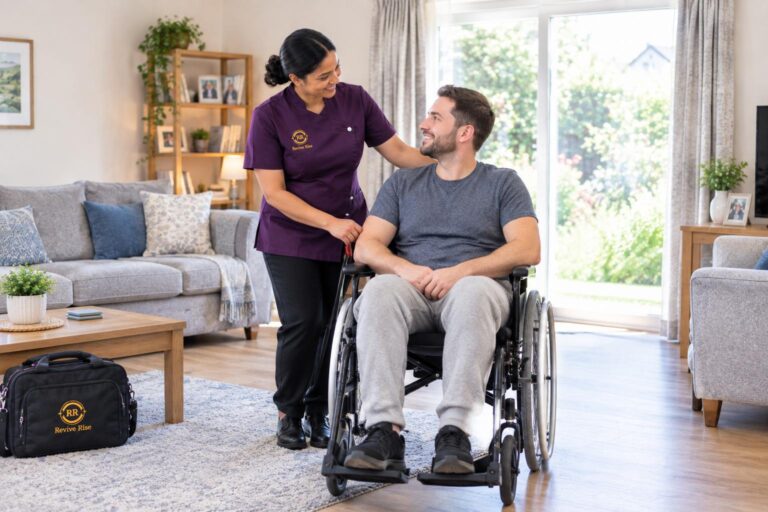
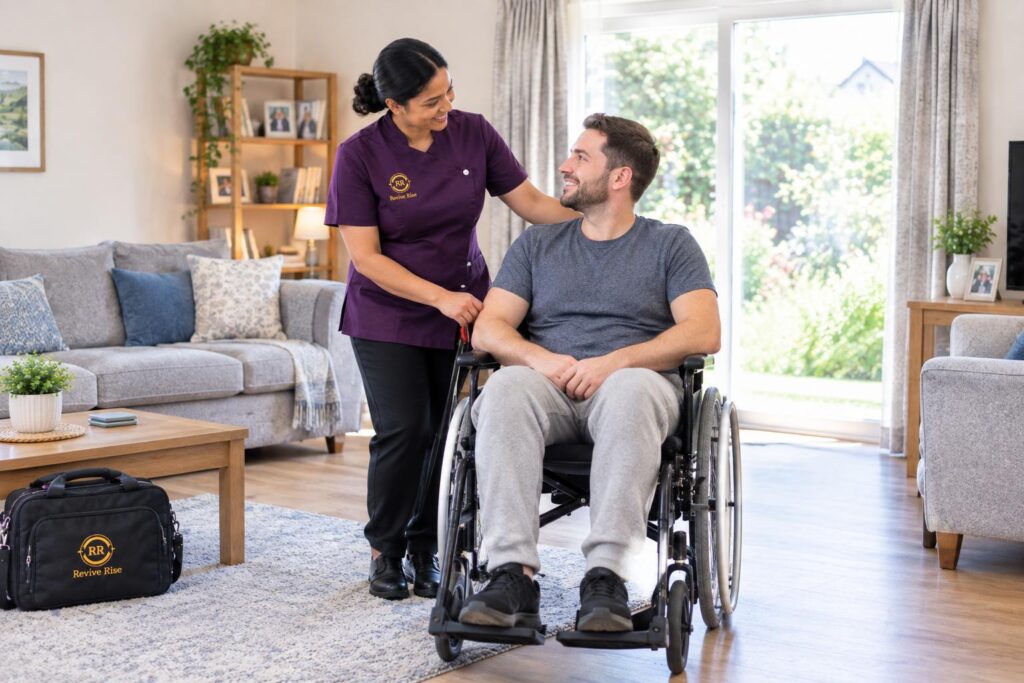
Brain injury home care in Birmingham provides specialist support that enables individuals to remain in the comfort of their own homes while receiving personalised care tailored to their unique needs. At Revive Rise, we understand that recovery is about more than meeting physical needs. It is about rebuilding confidence, promoting independence and helping people live fulfilling lives after brain injury.
Our nurse-led team delivers specialist acquired brain injury (ABI) care, rehabilitation-focused support and complex care services designed to help individuals achieve the best possible outcomes while maintaining dignity and control over their daily lives.
What Is Brain Injury Home Care?
Brain injury home care is a specialist support service for people living with the effects of an acquired or traumatic brain injury. Unlike standard domiciliary care, brain injury care requires an understanding of neurological conditions, cognitive impairments, behavioural changes and rehabilitation principles.
The purpose of specialist brain injury care is to help individuals maintain their safety, maximise independence and continue progressing toward their rehabilitation goals within their home environment.
Support may include assistance with:
- Personal care
- Medication management
- Mobility support
- Cognitive rehabilitation strategies
- Community access
- Emotional wellbeing
- Complex healthcare needs
- Behavioural support
- Daily living activities
Every person’s recovery journey is different, which is why care must be tailored around individual goals, abilities and preferences.
Understanding Acquired Brain Injury (ABI)
An acquired brain injury refers to damage to the brain that occurs after birth. The effects can range from mild and temporary to severe and life-changing.
Common causes include:
- Road traffic accidents
- Falls
- Stroke
- Brain tumours
- Infections such as meningitis or encephalitis
- Hypoxic brain injury caused by oxygen deprivation
- Neurological conditions
- Sporting injuries
Many people recover well following a brain injury, while others require ongoing support due to physical, cognitive or emotional difficulties.
Brain injuries are often described as an “invisible disability” because not all symptoms are immediately apparent to others. Someone may appear physically well while experiencing significant challenges with memory, concentration, decision-making or emotional regulation.
This is why specialist support from experienced caregivers is so important.
How a Brain Injury Can Affect Daily Life
Every brain injury is unique. The area of the brain affected, the severity of the injury and the individual’s health before the injury all influence recovery.
Cognitive Difficulties
Many individuals experience challenges with:
- Memory
- Concentration
- Planning and organisation
- Problem-solving
- Processing information
- Time management
- Risk awareness
Simple everyday tasks may require significantly more effort than before.
For example, making a cup of tea, taking medication correctly or attending appointments may become difficult without structured support.
Physical Challenges
Physical symptoms can include:
- Reduced mobility
- Muscle weakness
- Fatigue
- Impaired balance
- Coordination difficulties
- Paralysis
- Visual impairments
- Speech difficulties
These challenges can affect a person’s ability to manage independently at home.
Emotional and Behavioural Changes
Brain injuries frequently impact emotional wellbeing.
Individuals may experience:
- Anxiety
- Depression
- Mood swings
- Irritability
- Reduced confidence
- Social isolation
- Impulsivity
- Frustration
Many people struggle to adjust to changes in their abilities following a brain injury.
Compassionate support from a consistent care team can help reduce these emotional pressures while encouraging positive coping strategies.
Why Home-Based Care Is Often the Preferred Choice
Many people recovering from a brain injury prefer receiving care in their own home rather than moving to residential accommodation.
Home provides familiarity, comfort and emotional security that cannot always be replicated elsewhere.
Familiar Surroundings Support Recovery
Home environments contain familiar routines, personal belongings and memories.
This familiarity can:
- Reduce anxiety
- Improve confidence
- Support memory function
- Encourage independence
- Promote emotional wellbeing
For many individuals, remaining at home plays an important role in their rehabilitation journey.
Greater Independence
Brain injury home care focuses on enabling rather than replacing independence.
Instead of completing tasks for an individual, trained carers encourage participation wherever possible.
Examples include:
- Supporting meal preparation
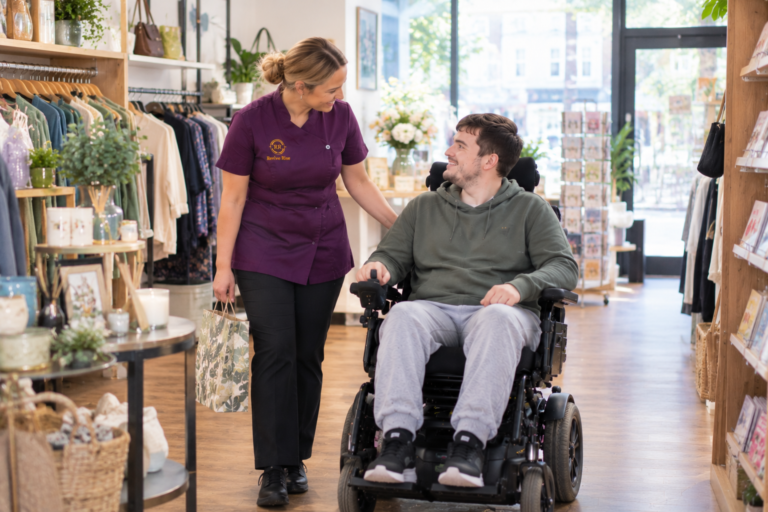
- Assisting with shopping
- Encouraging self-care activities
- Promoting mobility
- Supporting social engagement
These approaches help maintain and develop valuable life skills.
Family Involvement
Loved ones often play an important role in recovery.
Home care allows families to remain actively involved while reducing the daily pressures that can arise when caring for someone with complex needs.
Professional support provides reassurance that care is being delivered safely and consistently.
How Revive Rise Supports Rehabilitation at Home
At Revive Rise, we believe that care should actively contribute to rehabilitation and recovery.
Our approach focuses on supporting individuals to achieve meaningful outcomes rather than simply completing routine care tasks.
Rehabilitation-Focused Care Planning
Every person receives a detailed assessment and person-centred care plan.
Our plans are developed around:
- Rehabilitation goals
- Physical abilities
- Cognitive needs
- Health requirements
- Personal preferences
- Lifestyle choices
Goals are reviewed regularly to ensure support remains aligned with progress and changing needs.
Supporting Therapy Programmes
Many individuals continue working with healthcare professionals after leaving hospital.
Our carers can support recommendations from:
- Occupational Therapists
- Physiotherapists
- Speech and Language Therapists
- Neuropsychologists
- Community Nurses
- Case Managers
Working collaboratively helps ensure continuity of care and rehabilitation.
Promoting Daily Living Skills
Everyday activities create opportunities for recovery.
Our care teams support:
- Meal preparation
- Household management
- Personal hygiene
- Community access
- Managing appointments
- Shopping
- Budgeting where appropriate
These practical activities help individuals build confidence and independence over time.
Specialist Brain Injury Care Services from Revive Rise
Personal Care Support
We provide respectful assistance with:
- Washing and bathing
- Dressing
- Grooming
- Oral care
- Continence support
- Skin care
Our approach prioritises dignity and independence at all times.
Medication Management
Following a brain injury, medication regimens may become more complex.
Our support includes:
- Medication prompting
- Administration support
- Monitoring side effects
- Documentation
- Liaison with healthcare professionals
Safe medication management helps reduce risks and improve health outcomes.
Mobility and Transfer Support
Reduced mobility can significantly affect independence.
Our team supports:
- Walking assistance
- Safe transfers
- Hoisting procedures
- Positioning management
- Falls prevention strategies
All support is delivered following individual risk assessments and care plans.
Behavioural Support
Some individuals experience changes in behaviour following a brain injury.
Our trained staff understand how neurological injuries can affect emotional regulation and communication.
Support strategies include:
- De-escalation techniques
- Positive behavioural support
- Consistent routines
- Structured environments
- Person-centred approaches
These interventions help reduce distress and improve overall wellbeing.
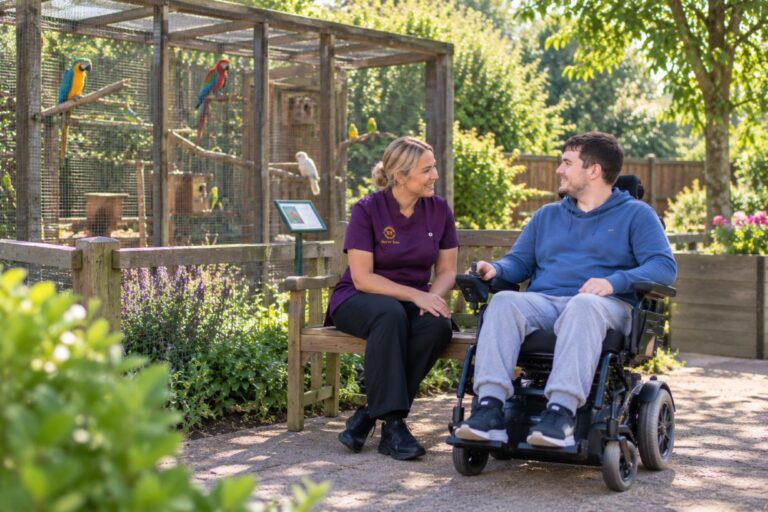
Community Access and Social Inclusion
Maintaining connections with the community is essential for emotional health and quality of life.
We can support:
- Medical appointments
- Education opportunities
- Work placements
- Leisure activities
- Family visits
- Shopping trips
- Social events
Remaining engaged within the community can significantly improve confidence and independence.
Complex Brain Injury Care
Some individuals require advanced clinical support due to severe neurological impairment or additional health conditions.
Revive Rise provides specialist complex care services including:
- Tracheostomy care
- PEG feeding
- Gastrostomy care
- Catheter care
- Seizure management
- Respiratory care
- Non-invasive ventilation (NIV)
- Cough Assist support
- Airway management
- Clinical observations
Our nurse-led management structure ensures robust governance and clinical oversight.
Live-In Brain Injury Care in Birmingham
For individuals requiring around-the-clock support, live-in care offers an alternative to residential care settings.
A dedicated caregiver provides ongoing assistance while enabling the individual to remain at home.
Benefits include:
- One-to-one support
- Continuity of care
- Flexible routines
- Increased independence
- Greater comfort
- Reduced disruption to family life
Live-in care is particularly valuable for individuals with complex neurological conditions and rehabilitation goals.
Working with Case Managers and Healthcare Professionals
We recognise the importance of multidisciplinary collaboration.
Revive Rise works closely with:
Occupational Therapists
Supporting adaptive equipment, functional independence and environmental modifications.
Physiotherapists
Helping individuals achieve mobility and rehabilitation goals.
Speech and Language Therapists
Supporting communication and swallowing management.
Case Managers
Implementing rehabilitation plans and monitoring progress.
Community Nursing Teams
Providing integrated healthcare support and clinical oversight.
This collaborative approach helps ensure care remains coordinated, effective and outcome focused.
Why Choose Revive Rise for Brain Injury Care in Birmingham?
Choosing the right provider can make a significant difference to long-term outcomes.
Nurse-Led Service
Our leadership team consists of experienced Registered Nurses with backgrounds in acute healthcare, community care and complex care provision.
Neuro-Critical Care Experience
We understand the challenges associated with neurological injuries and complex healthcare needs.
Person-Centred Approach
Every care package is designed around the individual rather than following a standardised model.
Rehabilitation-Focused Support
Our goal is to help people achieve their maximum potential and maintain independence wherever possible.
Flexible Care Packages
We offer:
- Visiting care
- Overnight care
- Waking nights
- Live-in care
- Complex care
- Rehabilitation support
- Long-term care packages
Commitment to Quality
We maintain high standards through:
- Ongoing staff training
- Clinical supervision
- Competency assessments
- Care plan reviews
- Quality assurance audits
Frequently Asked Questions About Brain Injury Home Care
What is acquired brain injury home care?
Acquired brain injury home care provides specialist support to individuals affected by brain injuries resulting from trauma, stroke, illness or other neurological conditions.
Can brain injury care support rehabilitation?
Yes. Rehabilitation often continues long after hospital discharge. Specialist home care can help reinforce therapy goals and promote skill development within everyday routines.
Do carers require specialist training?
Absolutely. Supporting individuals with brain injuries requires specialised knowledge, regular training and competency assessments.
Can care packages increase as needs change?
Yes. Care plans are reviewed regularly and can be adapted as rehabilitation progresses or healthcare needs evolve.
Is brain injury home care available 24 hours a day?
Yes. Revive Rise can provide visiting care, waking night support, overnight care and live-in care solutions.
How quickly can care begin?
Following assessment, care can often be arranged quickly depending on the complexity of support required.
Conclusion
A brain injury can affect every aspect of a person’s life, from mobility and communication to confidence and emotional wellbeing. However, with the right support, many individuals can continue living safely, independently and meaningfully within their own homes.
At Revive Rise, our specialist Brain Injury Home Care Birmingham service combines nursing expertise, rehabilitation-focused support and person-centred care to help individuals achieve the best possible outcomes. Whether you require short-term recovery support, ongoing rehabilitation assistance or complex clinical care, our dedicated team is here to help.
If you are looking for compassionate, professional and specialist Acquired Brain Injury Care in Birmingham, contact Revive Rise today to discuss how we can support you or your loved one on the journey toward greater independence and improved quality of life.