
Live-In Nursing Care at Home | Professional Nursing Support by Revive Rise
Discover the benefits of live-in nursing care at home. Revive Rise provides compassionate, nurse-led support for complex care, dementia, neurological conditions, and hospital discharge across the Midlands.
Live-In Nursing Care at Home
Nursing Care Services
Introduction
Choosing the right care for a loved one can be one of the most important decisions a family will make. For individuals living with complex health conditions, disabilities, long-term illnesses, or recovering from a hospital stay, maintaining independence while receiving professional healthcare support is often a priority.
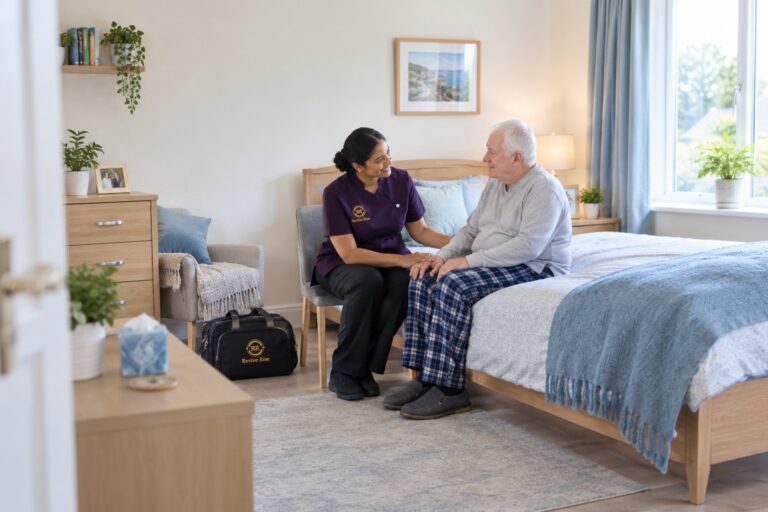
Live-in nursing care at home offers a practical and compassionate alternative to residential nursing homes, allowing individuals to receive clinical support while remaining in familiar surroundings. At Revive Rise, we understand the importance of delivering person-centred care that promotes dignity, independence, and wellbeing.
This guide explores what live-in nursing care involves, who can benefit from it, and why more families are choosing professional nursing support at home.
What Is Live-In Nursing Care at Home?
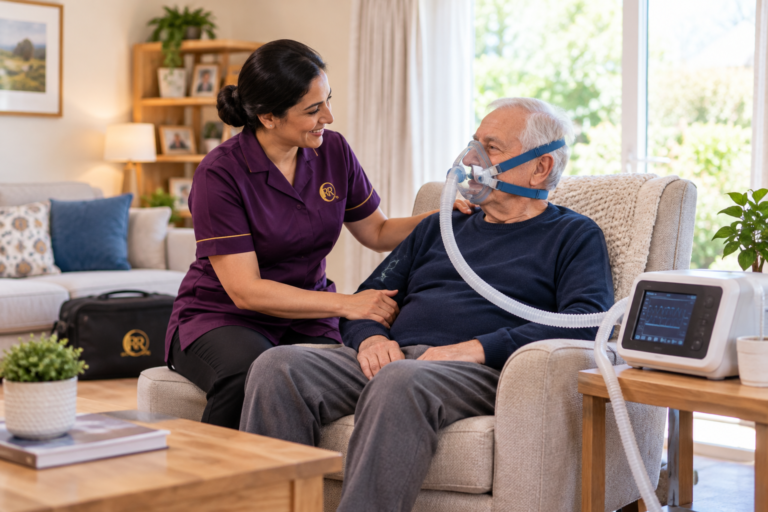
Live-in nursing care at home provides continuous support from trained healthcare professionals within an individual’s own home. Unlike standard domiciliary care, nursing care combines personal support with clinical expertise, ensuring complex health needs can be safely managed outside of a hospital or residential setting.
This type of care is tailored to each person’s specific requirements and can range from assistance with medication and personal care to specialist support for complex medical conditions.
Key Features of Live-In Nursing Care
- Personalised care plans
- One-to-one support
- Clinical monitoring
- Medication management
- Assistance with daily activities
- Ongoing health assessments
- Emotional and social support
- Family involvement in care planning
Who Can Benefit from Live-In Nursing Care?
Many individuals can benefit from receiving nursing care within their own home environment.
Older Adults with Complex Health Needs
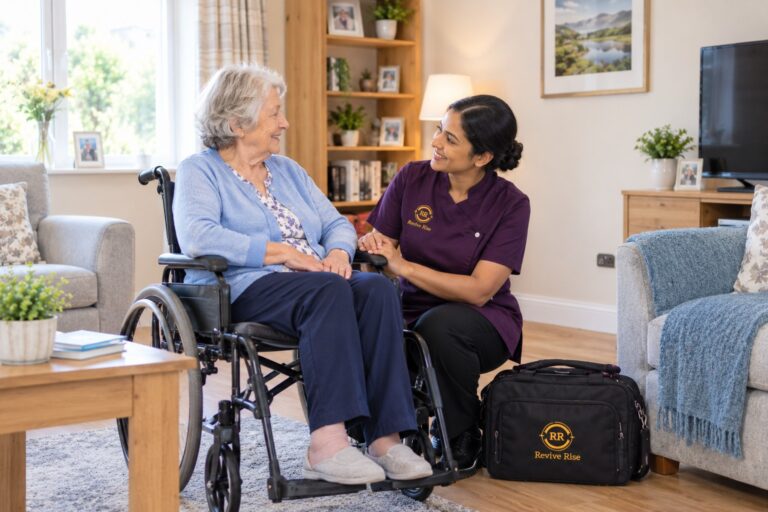
As people age, managing multiple medical conditions can become increasingly challenging. Live-in nursing care can help individuals maintain their independence while receiving professional healthcare support.
People Living with Neurological Conditions
Conditions such as:
- Parkinson’s disease
- Multiple sclerosis (MS)
- Motor neurone disease (MND)
- Huntington’s disease
- Acquired brain injury
often require ongoing specialist support that can be delivered effectively at home.
Individuals Living with Dementia
Familiar surroundings can help reduce confusion and anxiety for people living with dementia or Alzheimer’s disease. Home-based nursing support allows routines to remain consistent while ensuring safety and wellbeing.
People Recovering After Hospital Discharge
Following surgery, illness, or injury, professional nursing support can help reduce the risk of complications and support a smoother recovery process.
Clinical Services Included in Nursing Care at Home
The level of support provided will depend on individual needs, but live-in nursing care commonly includes a range of clinical services.
Medication Administration and Management
Correct medication management is essential for maintaining health and preventing complications. Nurses can support medication administration, monitoring, and coordination with healthcare professionals.
Wound Care and Tissue Viability Support
Professional nursing care can include:
- Wound assessments
- Dressing changes
- Pressure area care
- Infection prevention
Catheter and Continence Care
Individuals requiring continence management can receive professional support to maintain comfort and reduce the risk of infection.
Nutritional Support
Some people require specialist nutritional management, including:
- PEG feeding
- Enteral feeding support
- Nutritional monitoring
- Hydration management
Clinical Monitoring
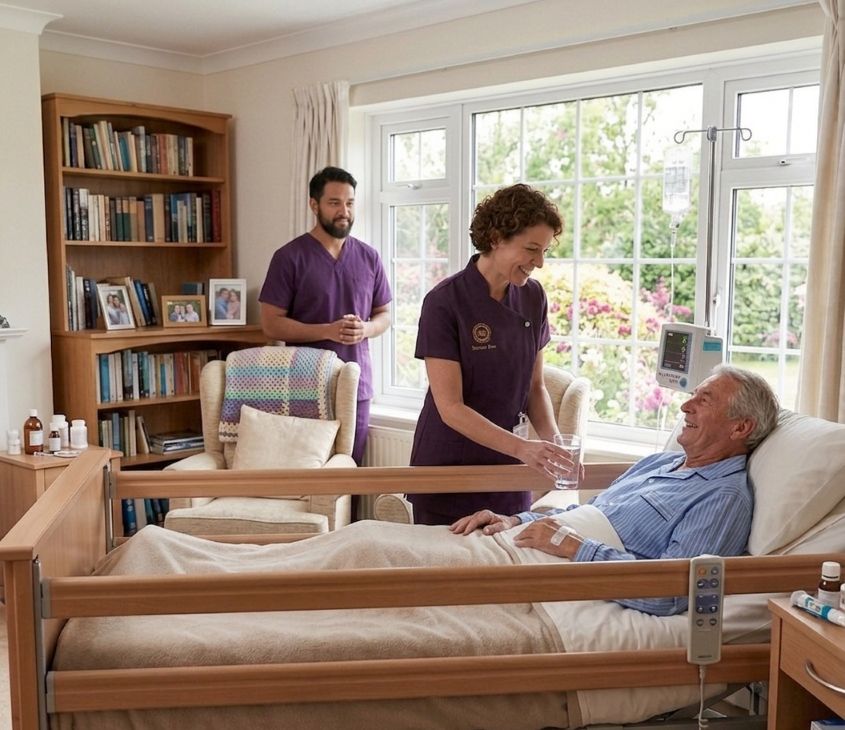
Regular assessment of health conditions helps identify concerns early and supports effective treatment management.
Benefits of Live-In Nursing Care at Home
Remaining in Familiar Surroundings
Home environments provide comfort, familiarity, and security. Being surrounded by personal belongings, family members, and established routines can significantly improve emotional wellbeing.
Enhanced Independence
Many individuals wish to remain as independent as possible. Nursing care at home supports people to continue making choices about their daily lives while receiving professional assistance when needed.
Personalised One-to-One Support
Unlike busy care settings where staff support multiple residents, live-in nursing care provides focused attention tailored to individual requirements.
Family Involvement
Families often feel reassured knowing they can remain actively involved in care planning and decision-making.
Reduced Hospital Admissions
Regular monitoring and prompt intervention can help identify early signs of deterioration, reducing unnecessary hospital admissions and supporting better long-term outcomes.
Why Families Choose Revive Rise
At Revive Rise, we believe exceptional care begins with understanding the individual behind the condition.
Our experienced team is committed to delivering safe, responsive, and compassionate support that focuses on the person’s strengths, preferences, and goals.
Our Approach Includes:
Person-Centred Care Planning
Every care plan is tailored to the individual’s clinical, emotional, and social needs.
Highly Trained Staff
Our care professionals receive ongoing training to support individuals with complex and diverse healthcare needs.
Dignity and Respect
We promote choice, independence, privacy, and individuality in every aspect of care delivery.
Collaborative Working
We work closely with families, healthcare professionals, social workers, and multidisciplinary teams to ensure coordinated support.
Conditions We Commonly Support
Revive Rise provides support for individuals living with:
- Dementia
- Alzheimer’s disease
- Parkinson’s disease
- Multiple sclerosis
- Stroke recovery
- Learning disabilities
- Autism spectrum conditions
- Acquired brain injury
- Physical disabilities
- Mental health conditions
- Complex care needs
- Palliative and end-of-life care
Internal Links
Explore more of our services:
- Home Care Services
- Complex Care Services
- Learning Disability Support
- Autism Support Services
External Resources
For additional information about nursing care and healthcare support:
- NHS Continuing Healthcare Guidance
- NHS Home Care Services Information
- Care Quality Commission (CQC)
Conclusion
Live-in nursing care at home provides an effective solution for individuals who require professional clinical support while wishing to remain in familiar surroundings. From complex health conditions and neurological disorders to hospital discharge recovery and palliative care, home-based nursing services can significantly improve quality of life while promoting independence and dignity.
At Revive Rise, we are committed to delivering compassionate, personalised, and clinically informed care that helps individuals live safely and comfortably at home.
Get Professional Nursing Support with Revive Rise
Whether you are exploring care options for yourself or a loved one, our experienced team is here to help.
Contact Revive Rise today to discuss your care requirements and discover how our live-in nursing care services can support independent living at home.
Frequently Asked Questions (FAQs)
1. What is live-in nursing care at home?
Live-in nursing care is a service where trained healthcare professionals provide ongoing clinical and personal care support within an individual’s own home.
2. Is live-in nursing care an alternative to a nursing home?
Yes. Many families choose live-in nursing care as an alternative to residential nursing homes, allowing loved ones to remain in familiar surroundings.
3. What conditions can be supported through nursing care at home?
Services can support dementia, Parkinson’s disease, multiple sclerosis, acquired brain injuries, stroke recovery, learning disabilities, and other complex health conditions.
4. Can nursing care help after hospital discharge?
Yes. Professional nursing support can assist with recovery, medication management, wound care, rehabilitation, and ongoing health monitoring following discharge.
5. How is a nursing care plan created?
A comprehensive assessment is undertaken to understand clinical needs, personal preferences, risks, and outcomes, allowing a personalised care plan to be developed.